When I landed in Indonesia for the Zero Waste Academy's in-person course on "Organics Management as Climate Action," I thought I knew waste. As the founder of Youth Nowshera, a youth-led organization working for the environment in Nowshera, Pakistan, I have spent years working on pollution and climate issues in my community. But standing inside a working materials recovery facility in Bandung, watching food scraps turn into something valuable instead of a problem, I realized how little I understood about the half of our waste we almost never talk about: organics.
The first big learning was simple, and it changed everything for me. In most of our cities, more than half of municipal waste is organic — food scraps, vegetable peels, and garden waste. When this waste is mixed with everything else and dumped, it rots and releases methane, a greenhouse gas far more powerful than carbon dioxide in the short term. But when it is separated at its source, that same waste becomes a resource. The problem was never the waste itself. The problem was mixing.
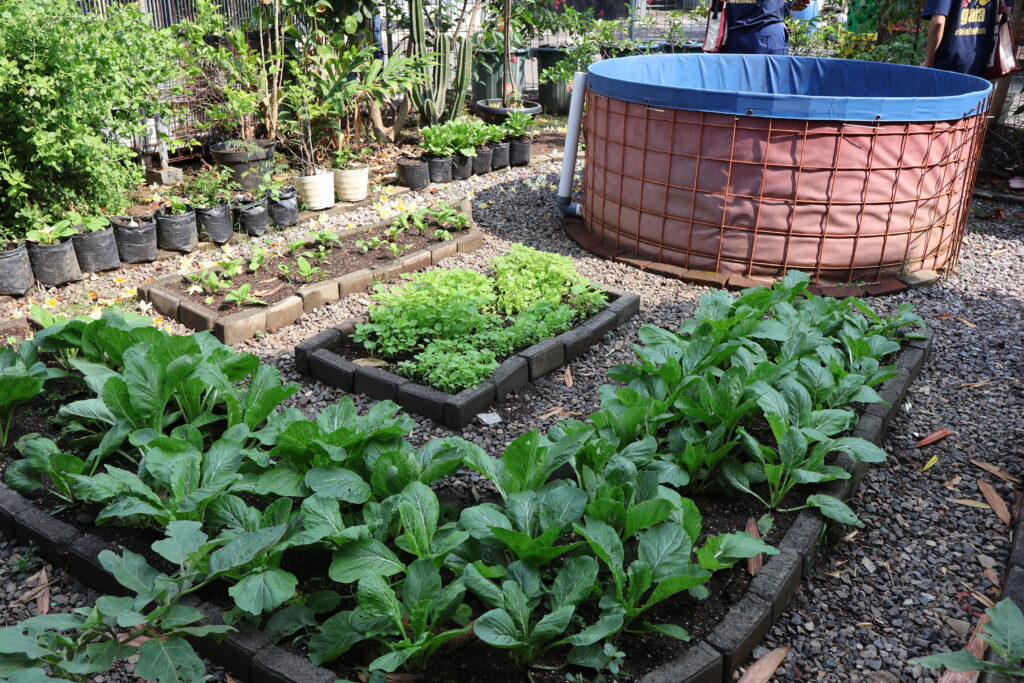
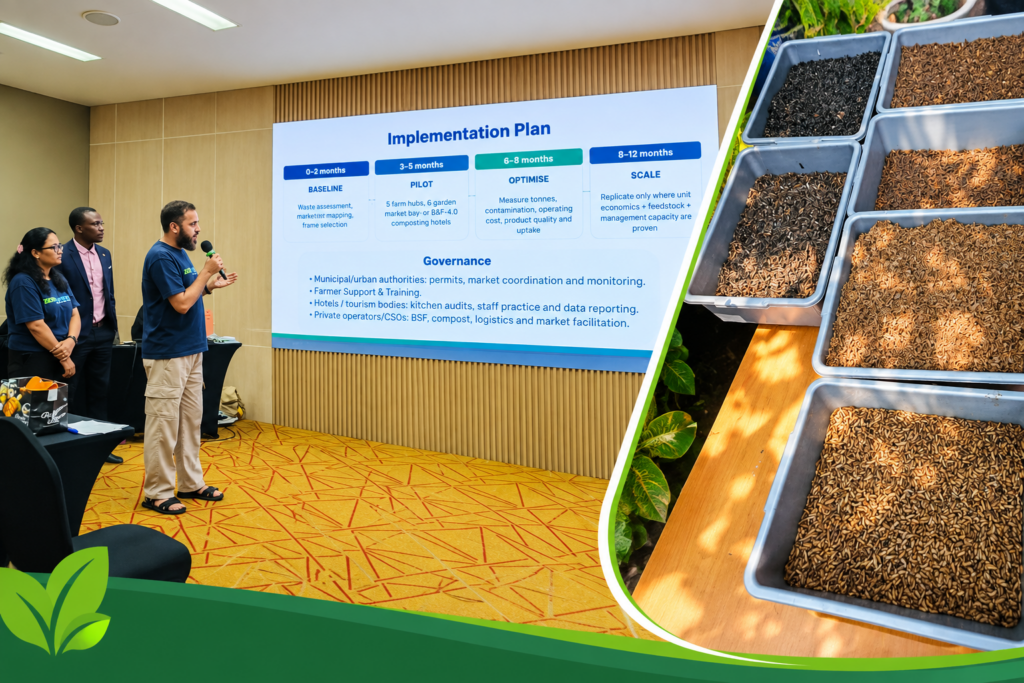
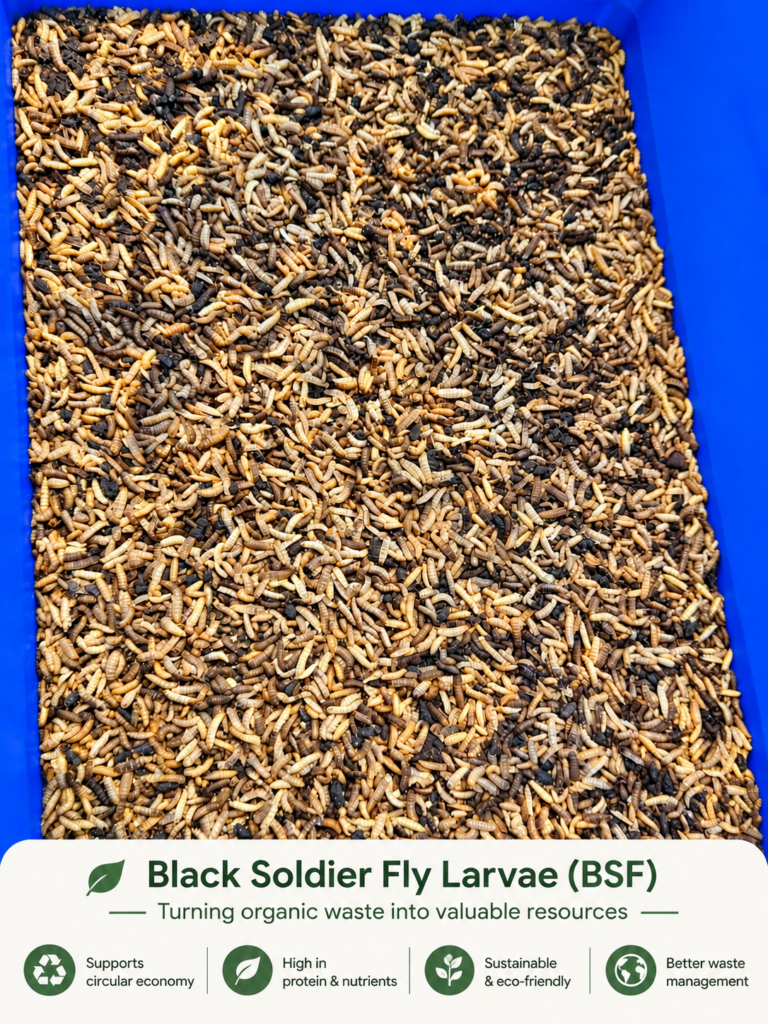 In Bandung, I saw this idea in action. At the Kebun Asik materials recovery facility, I watched how proper segregation, composting, and community involvement turn a neighbourhood's waste stream into compost and recyclables instead of landfill burden. I also learned about the black soldier fly (BSF) treatment, where larvae consume food waste and convert it into protein for animal feed, leaving behind a residue that works as fertiliser. It was a small, almost humble setup — and that was the point. These are not billion-dollar technologies. These are systems a community can run.
Another lesson came from the classroom exercises. We worked through real waste-system sizing: how much organic waste a community produces, how much of it can be composted, what the compost is worth, and how much methane can be avoided. Doing the maths myself — tonnes of waste diverted, tonnes of emissions avoided — made the climate case concrete. Organic waste management is not just about cleanliness. It is climate action, measurable in tonnes.
Just as valuable were the people. I studied alongside waste practitioners from the Philippines, Indonesia, and Nepal — people running composting programmes, community recovery facilities, and awareness campaigns in their own cities. We shared failures as honestly as successes. I left with a network of friends across Asia who are fighting the same fight, and with the confidence that what works in Bandung can be adapted to Nowshera.
So how will I use all of this back home? First, through Youth Nowshera, we will start awareness work on segregation at source — because no system works if organics arrive mixed. Second, we will push for decentralised composting: small, community-level composting units instead of waiting for one giant facility that never comes. And third, we will take this to the decision-makers — our Deputy Commissioner, the Ministry of Climate Change, and local policymakers — with a clear message: managing organic waste locally cuts methane, creates compost and jobs, and costs less than the landfill model.
At its heart, the Zero Waste philosophy is about preventing waste at the source, reducing our dependence on single-use materials, and building systems that protect communities and the environment.
My trip to Indonesia gave me more than a certificate. It gave me a working model, a network, and a plan. Organic waste is not garbage. Treated right, it is climate action you can hold in your hands.
Youth Nowshera is a youth-led environmental platform based in Nowshera, Pakistan, advancing zero waste, plastic pollution prevention, and climate resilience. Through community-led initiatives, research, education, and advocacy, it works to prevent pollution at its source, promote sustainable waste management, protect environmental and public health, and safeguard ecosystems for future generations.