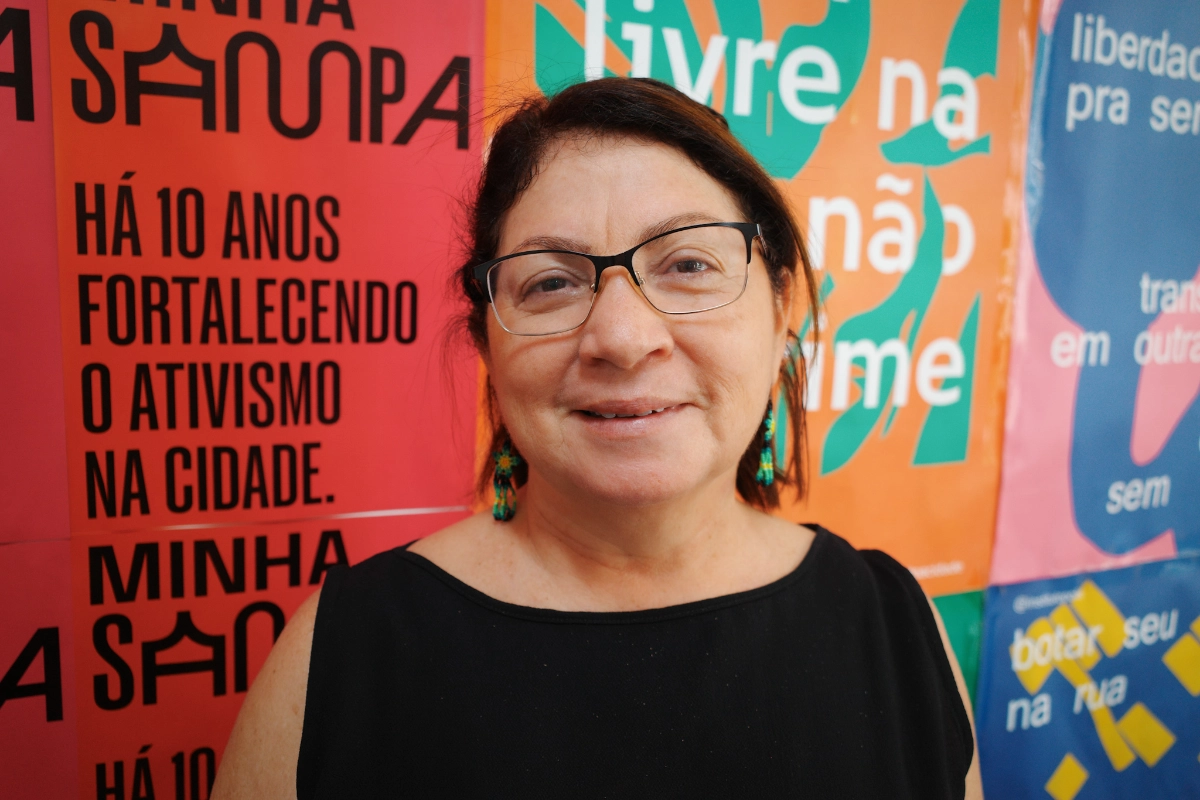
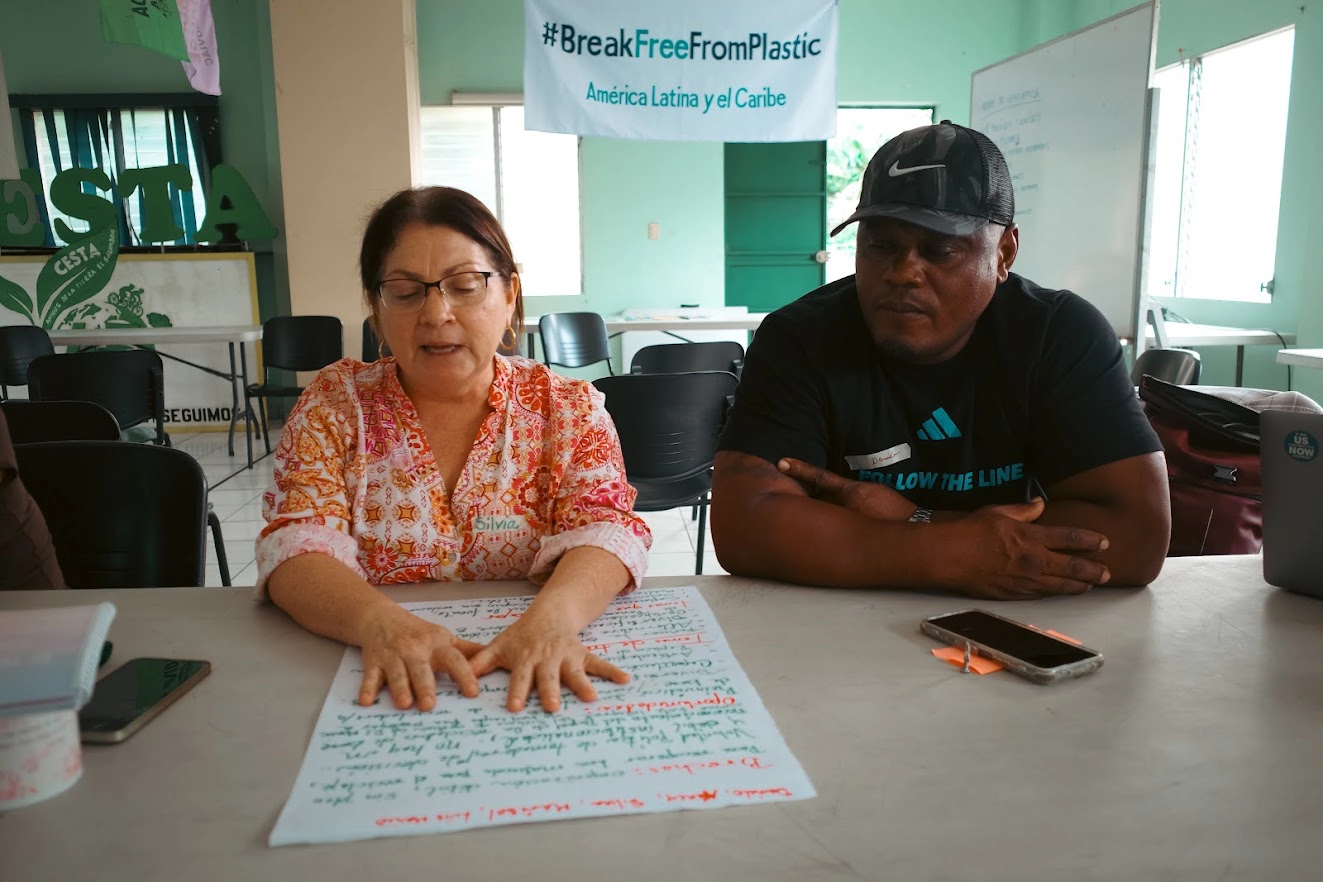
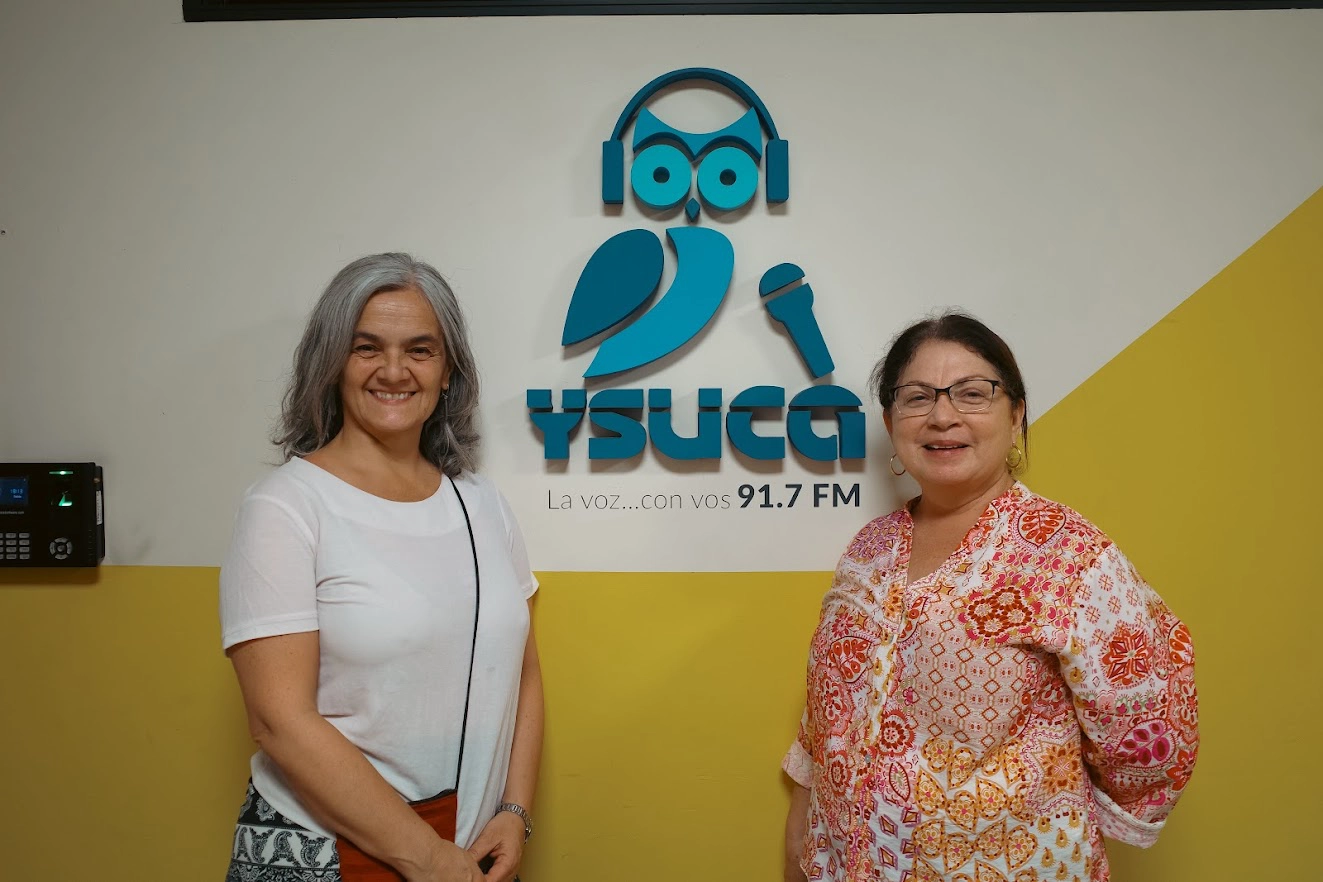
“One of CESTA’s longest-running programs is sustainable waste management. We began this discussion more than 20 years ago,” explains Silvia Quiroa, director of the organization, where she has worked for 29 years on tracking, monitoring, and advocacy efforts.
Waste management is, however, only one part of a broader mission. CESTA works to build sustainable societies and links environmental defense with food sovereignty, agroecology, biodiversity protection, and community empowerment. Within this framework, the fight against plastic is taking on an increasingly important role.
Starting with Everyday Life
One of the tools CESTA uses with communities is based on something seemingly simple: identifying how much plastic is part of everyday life. The organization works with about 30 communities in different parts of the country, alongside community organizations, water and environmental committees, feminist organizations, and indigenous peoples. In these settings, they have examined the presence of plastic in kitchens, homes, and farm plots. The exercise aims to bring to light what often goes unnoticed.
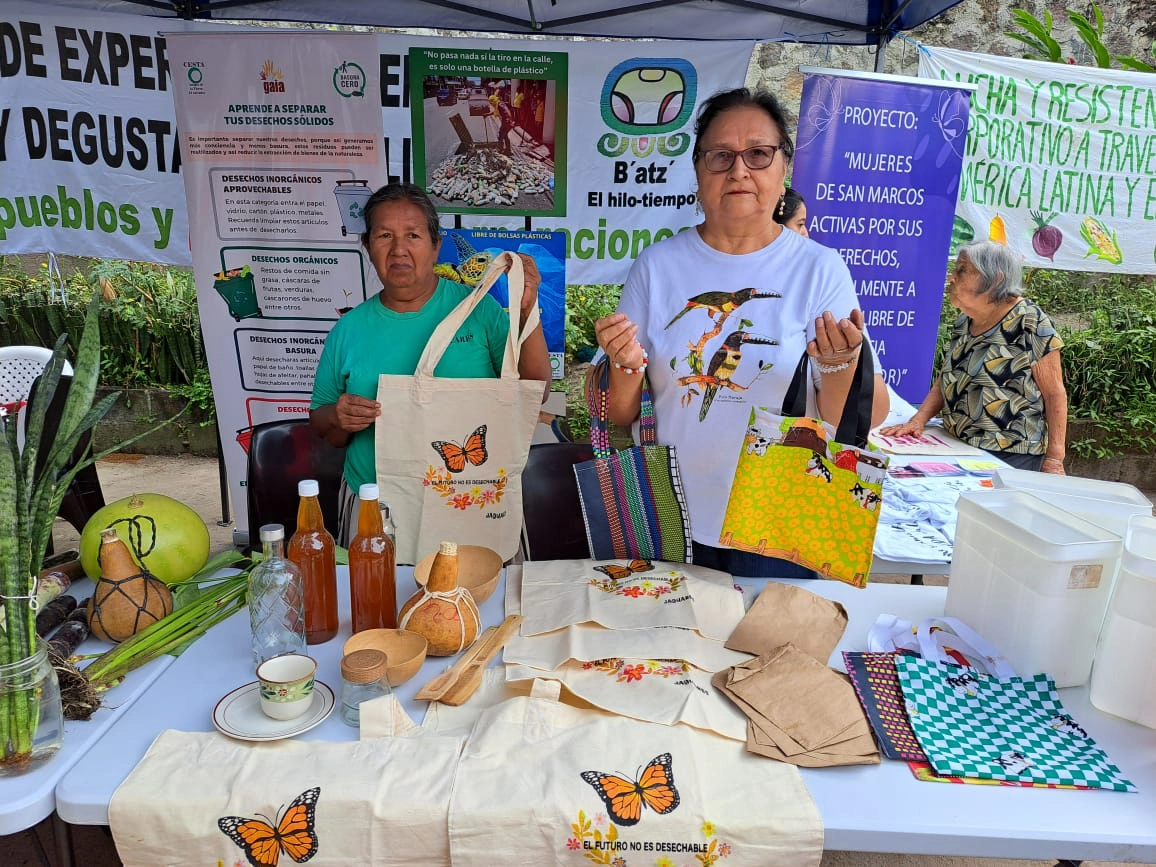
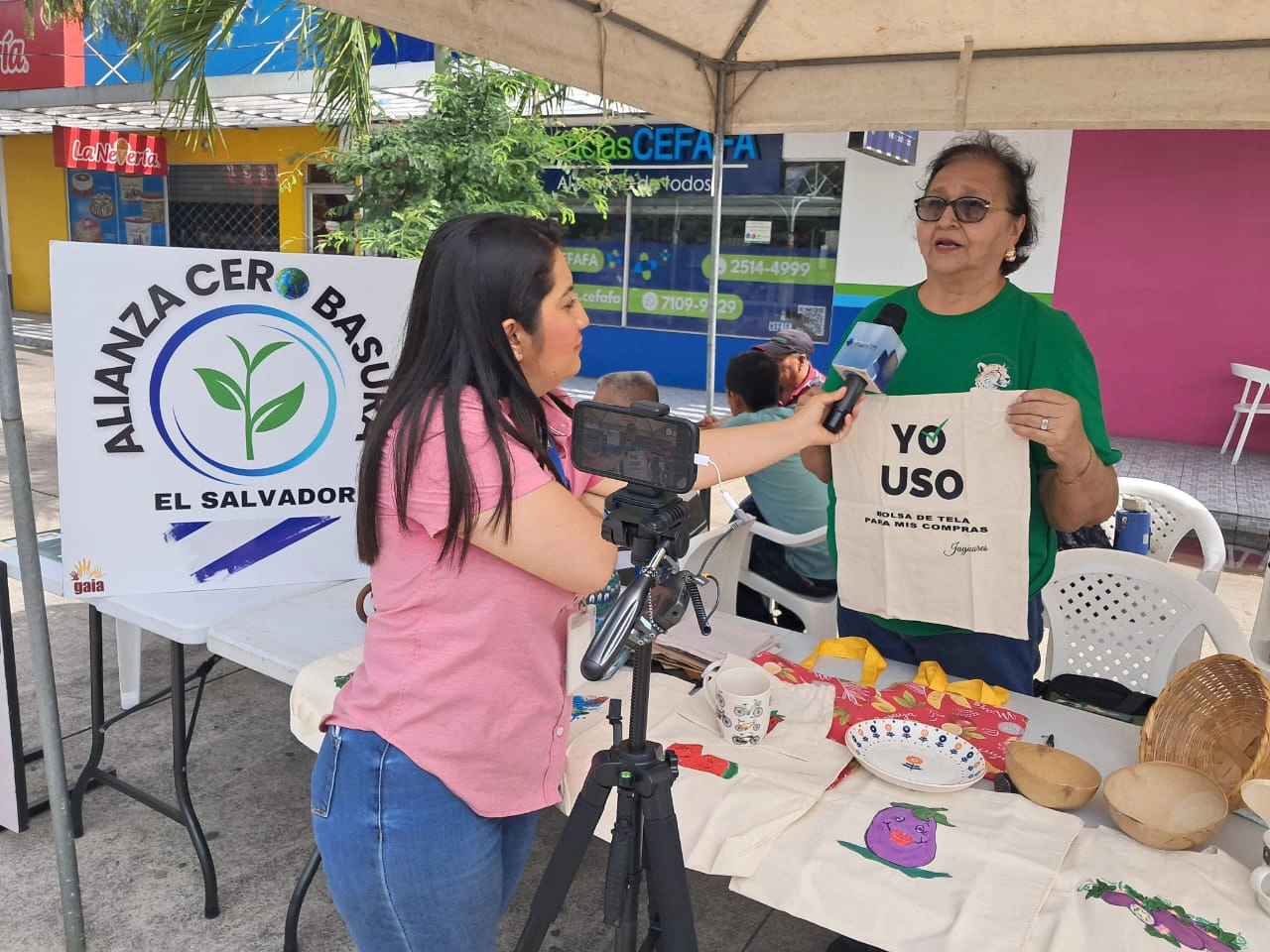
“So we began talking with the communities: How can we gradually remove plastic from our lives?” says Quiroa. The answer is built on concrete actions. CESTA works, for example, with groups of women who recover recyclable materials; in addition to collecting reusable waste, they have created small businesses and campaigns to promote alternatives to plastic bags.

Cloth bags thus become a tool for raising awareness. The women take them to parks, fairs, markets, and shopping centers with a simple message: “I use cloth bags for my shopping.” Change is also being promoted among farming families and small businesses. The idea is to prevent every purchase of vegetables or legumes from automatically resulting in a new disposable bag.
For CESTA, questioning these everyday habits is part of a larger transformation: to stop accepting as normal a model based on products designed to be used for just a few minutes and then discarded.
The problem doesn’t end when the garbage truck drives by
Single-use plastics are one of the organization’s main areas of concern. They are visible not only in municipal collection systems but also on the streets and in storm drains, especially during rain. “Waste management as it is currently practiced in most municipalities is not sustainable,” says Quiroa.
For years, CESTA has challenged the linear model of producing, consuming, discarding, and transporting waste. Its approach focuses on reducing waste generation, separating materials, and processing them as close as possible to their source.
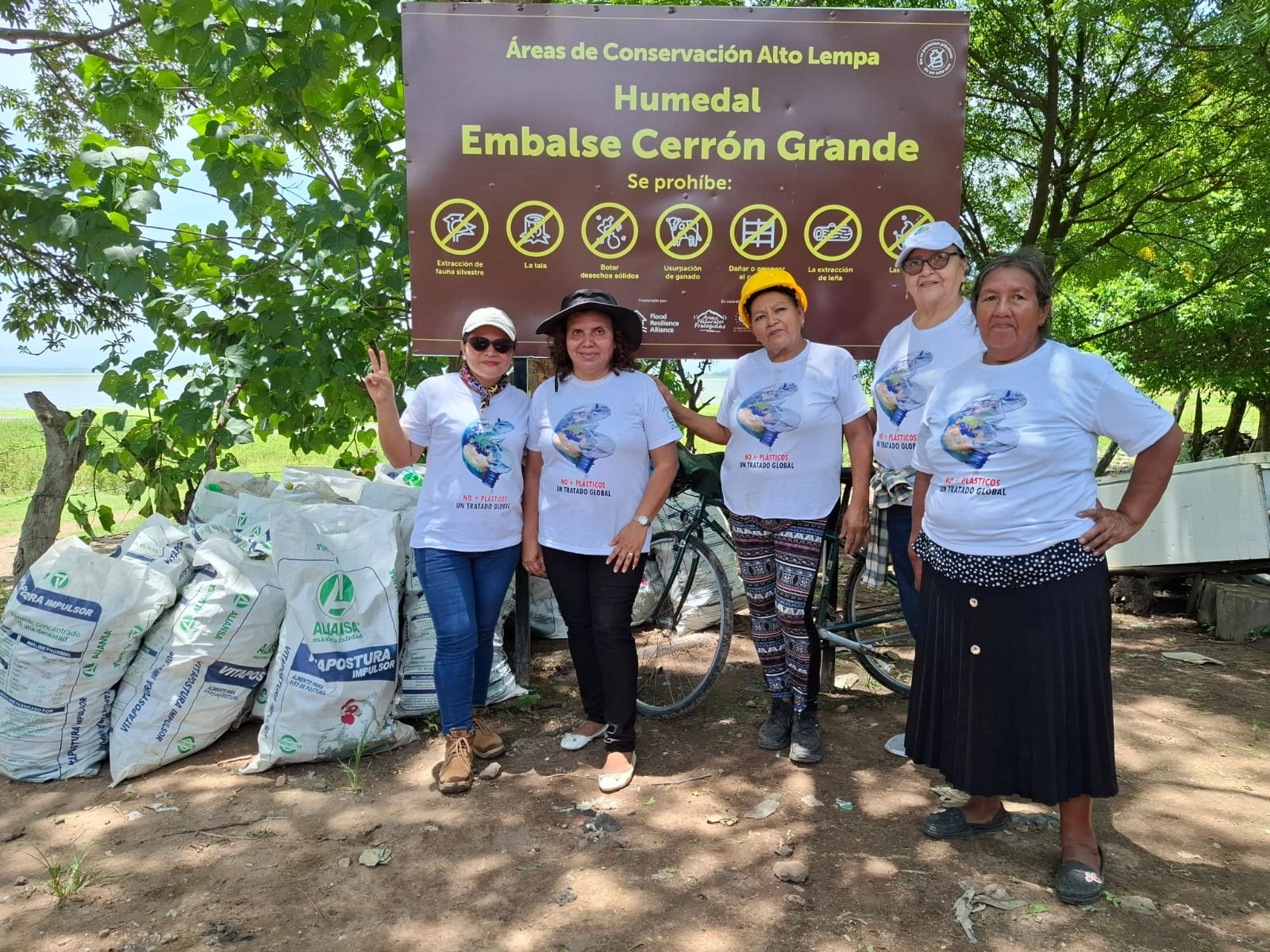
The organization has sought to demonstrate that this alternative is possible. In one of the municipalities where it carried out a pilot program, it worked with residents neighborhood by neighborhood to introduce waste separation at the source and collaborated with the municipality to prevent organic and recyclable materials from ending up mixed together.
The process included a collection center and a municipal composting facility. In addition to reducing the amount of waste sent to landfills, the experience showed that a different approach to waste management can result in lower costs for municipalities.
But for CESTA, infrastructure alone does not solve the problem. Education, organization, and political will are needed. That is why it also conducts training programs for municipal officials on sustainable waste management, plastic reduction, and public policy.
Stop Talking About Trash and Start Talking About Solutions
One of the changes Quiroa considers most significant has been bringing waste management and plastic pollution into the public discourse in El Salvador. “Before, nobody was talking about trash. As long as it got picked up, it didn’t matter,” she recalls.
The conversation has begun to shift. Some businesses have reduced the number of plastic bags they hand out or started charging for them. There’s also a greater willingness among people to ask about reusable alternatives. “People now ask, ‘Are you going to give me a disposable one or a reusable plate?’” she says.
For CESTA, these changes are important but insufficient. One of the main challenges is to dispel the notion that recycling alone can solve the plastic crisis. “Recycling isn’t the only solution,” Quiroa asserts.
The organization is committed to prioritizing reduction and reuse and to questioning the production model that generates increasing amounts of waste. CESTA has also participated in discussions about landfills and incineration, providing information to municipal governments so they can assess the impacts of different alternatives.
Advocate for decisions
Community work is complemented by political advocacy. CESTA participated in drafting a proposal to regulate single-use plastics, which was presented to the Legislative Assembly with the support of female legislators from the previous session.
The proposal called for a five-year transition period to phase out these products and allow companies to adapt to other materials. The process stalled following political changes in the country, but for CESTA, the need for regulation remains. “A major challenge is changing the mindset of decision-makers,” notes Quiroa.
Added to this, according to the organization, is the influence of the plastics industry. “The plastics industry lobby is very strong. It wields a great deal of power in the country. It sits down with decision-makers,” she states.
In this context, CESTA seeks to challenge solutions that focus solely on recycling and to also shine a light on what happens before a product becomes waste: who produces it, how much is produced, what it is used for, and who bears the costs of its impacts.
From the Local Level to a Global Struggle
CESTA’s track record in waste management made its incorporation into BFFP a natural fit. The organization already had extensive experience in this field and ties to GAIA, and becoming part of BFFP allowed it to connect its local work with an international network of organizations that share the same concerns. The exchange of information has been one of the main benefits.;
Research on microplastics, health impacts, corporate responsibility, and alternatives to single-use products has fueled CESTA’s work in communities. So too have the campaigns and communication tools developed by the movement.
For Quiroa, BFFP offers something that goes beyond information: the certainty that Salvadoran communities are not alone. “Knowing that we are part of a global movement where we are fighting for the same cause” is, for her, one of the movement’s greatest achievements over the past 10 years.
The global dimension is especially important because plastic, too, knows no borders. Decisions made by governments and transnational corporations in other regions can have consequences in El Salvador, especially since the country is one of the region’s leading importers of plastic waste.
The connection between the local and the global thus allows us to understand that what happens in one community is part of a much broader system.
Building a Movement
As he reflects on BFFP’s first decade, Quiroa highlights the production and exchange of information, as well as the opportunity to coordinate experiences and strategies among organizations from different countries.
“I believe that the production of information is one of the most important things,” she says. For CESTA, this collaboration strengthens local advocacy and allows communities to learn about the experiences of other areas facing similar challenges.
The organization is also part of national coalitions with other organizations. Zero-waste work intersects with agendas related to environmental justice, the climate crisis, food sovereignty, and the defense of territories. “We’re just one more organization in that coalition,” says Quiroa.
A treaty that addresses the root of the problem
For CESTA, this collaboration is also essential in addressing one of the movement’s greatest challenges: securing a global treaty on plastics that is ambitious and legally binding.
The organization believes the agreement must address the entire life cycle of plastic, from its production—not just when it becomes waste. “We need an international treaty—one that regulates companies throughout the entire life cycle of plastic production, not just when waste is generated, but throughout the entire production cycle,” states Quiroa.
For her, the negotiations will put governments’ priorities to the test: “We’ll see if governments really govern for the people or for transnational corporations.”
CESTA’s position is that an effective treaty must go beyond managing existing waste. It must address production, reduce single-use plastics, promote reuse systems, and establish clear responsibilities for those who benefit from this industry.
From “Use and Discard” to “Reuse”
10 years after the creation of BFFP, CESTA believes the movement must delve deeper into alternatives to the “use and discard” model. Among these, reuse plays a central role. “We have to delve deeper into that aspect,” says Quiroa. Reuse involves more than simply substituting one material for another. It means challenging the logic of consumption that turns objects into waste after a single use and reviving practices capable of reducing waste generation at its source.
It is a transformation that begins at the local level but requires public policies and structural changes to take root. A community that sorts its waste, a family that stops burning trash, a woman who sews a reusable bag, or a municipality that changes its waste management system are all small pieces of a larger transformation.
“The fight continues. BFFP has a lot of work ahead; it’s a movement that will grow—and keep growing,” says Quiroa. “The more communities, towns, and organizations that join this effort, the more we’ll be able to stop this monster of plastic growth and create the possibility of a different world,” she concludes.