21 August, 2026, Kuala Lumpur, Malaysia - Two new studies present a fuller picture of environmental and health conditions around plastic and paper waste recycling facilities in Kuala Langat, Malaysia. One study confirms significant river pollution and microplastic contamination near factory discharge points through direct water quality testing. The other reports elevated rates of self-reported symptoms among nearby residents.
Together, the studies offer some of the first community-level evidence on the potential public health and environmental footprint of Malaysia's plastic and paper waste recycling sector. Malaysia remains one of the world's leading destinations for imported plastic waste.
Key Findings include:
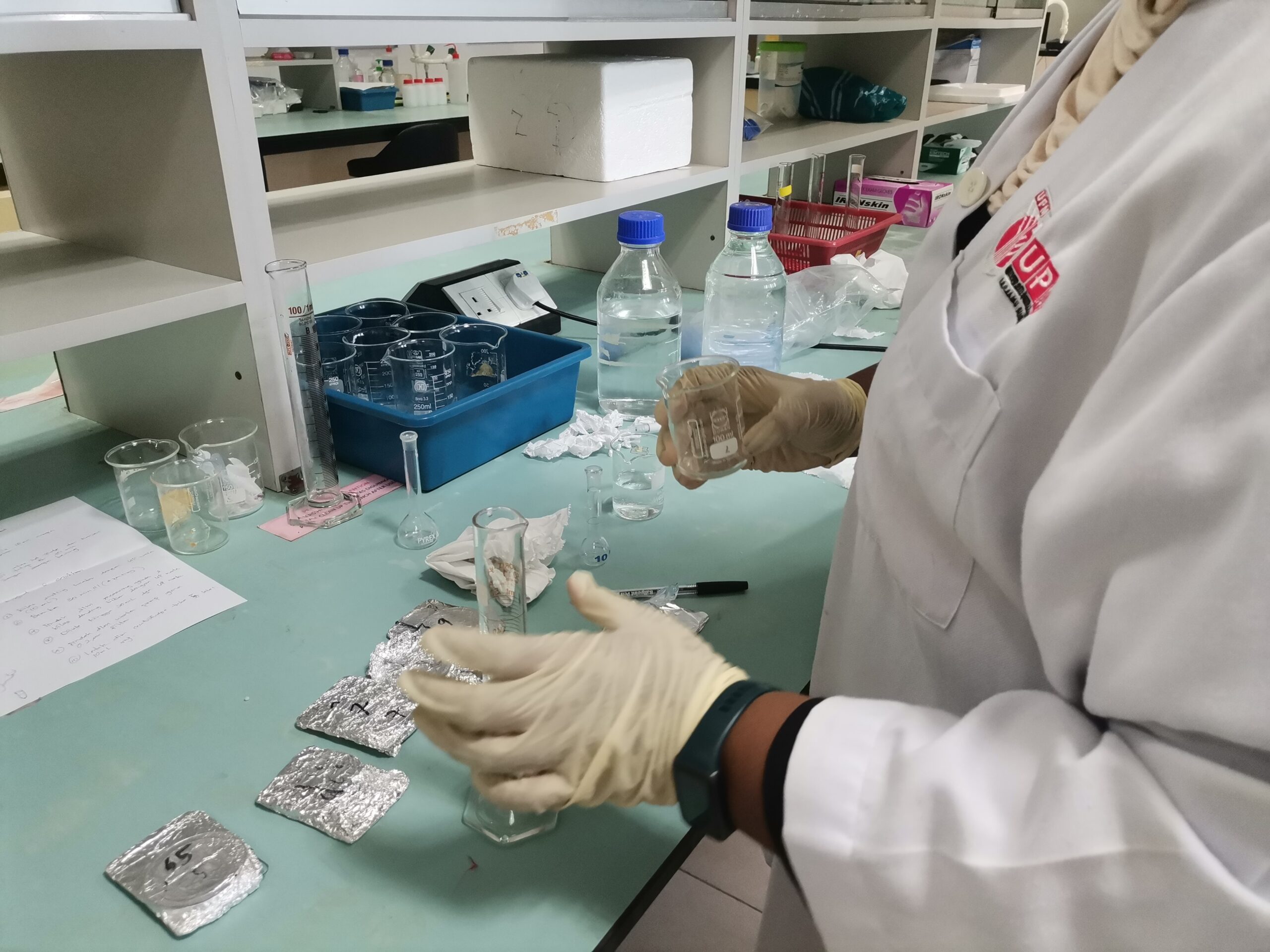
Study 1: This study directly tested river water near the discharge points of plastic and wastepaper recycling factories in the same region, offering evidence for some of the concerns raised by residents in the health survey, particularly related to water quality:
- Turbidity, or cloudiness, represents the suspended sediments in water. Malaysia's drinking water standards cap turbidity at 5 NTU for treated drinking water. The river water tested reached as high as 996 NTU — roughly 200 times that benchmark. High turbidity also blocks sunlight, making it easier for contaminants and pathogens to persist.
-
- Conductivity and dissolved solids indicate how much salts, minerals and potentially industrial byproducts are present in the water. These were markedly elevated (38,452.33–41,676.33 μS/cm; up to 1,106 mg/L), compared with national standards of around 1,000 μS/cm for conductivity and 500–1,000 mg/L for total dissolved solids in river water. The salinity levels (21.71–23.87 ppt), were also far above the safe 0.5–2 ppt range set for rivers, indicating brackish water rather than freshwater, most likely caused by heavy industrial contamination.
- Dissolved oxygen, essential for both human and aquatic sustenance, was low (1.35–2.78 mg/L; standard: 4 mg/L), indicating severely degraded water quality.
- Microplastics were detected in every sample collected, though the specific polymer types were not confirmed.
- Most chemical pollutants tested, including phthalates, bisphenol A, and most VOCs, were below detection limits, except toluene, which was found at one sampling location (3.0 μg/L).
Study 2: A cross-sectional survey of 520 residents living near recycling facilities in Kuala Langat found notable rates of self-reported respiratory, eye and skin symptoms:
- Respondents frequently reported concerns regarding fumes, smoke, unpleasant odours, and dirty water in their residential areas.
- Many participants attributed these issues to nearby recycling facilities and waste-processing activities.
- A significant portion of respondents (66.3% regarding fumes/smoke and 73.9% regarding odours) had filed formal complaints, primarily to the Department of Environment (DOE). The DOE responded to some complaints and took some actions, yet there have been no further reports filed with the Ministry of Health, nor any resolution offered.
- Respiratory: Frequently reported symptoms included cough (33.7%), sore throat (31.0%), and runny nose (26.7%).
- Ocular: Common symptoms were itchy eyes (43.5%), watery eyes (40.4%), and red eyes (36.5%).
- Dermatological: The main reports included dry or cracked skin (35.7%) and itchiness (20.3%).
- Neurological: Reported symptoms included fatigue (34.6%), low energy (27.3%), and dizziness (26.7%).
Several symptoms were significantly associated with factors such as how long residents had lived in the area, smoking status, and second-hand smoke exposure. Most respondents also raised concerns about fumes, smoke, unpleasant odour and dirty water, which they associated with nearby factories and waste-related activity.
Read together, the two studies offer complementary evidence: a water quality study found measurable, significant degradation in river water near factory discharge points; and residents near recycling facilities widely reported health concerns since the factories were established. The authors caution that two studies should be read as complementary lines of evidence and investigation, rather than direct proof of a causal link between specific pollutants and symptoms.
Why is this important?
As Malaysia continues to import large quantities of plastic waste each year and recycling is concentrated in industrial areas, the researchers argue that community-level health evidence is essential for environmental health surveillance and risk management — particularly in developing-country settings where such research remains scarce.
"Our research in Kuala Langat proves a vital truth: if recycling pollutes our water with microplastics and causes respiratory illness next door, it isn't a solution—it's just outsourced pollution," said Dr Sharifah Norkhadijah Syed Ismail, University Putri Malaysia (UPM).
"Recycling shouldn't cost a community its health. When imported waste turns local rivers into microplastic hotspots, it’s clear: we need cleaner processing, not just green labels," said Dr Nurulain Mustafa Udin, University Technology Mara (UiTM).
"Imported waste doesn't just disappear when it gets recycled—it settles in our rivers and spills into the air our communities breathe. True sustainability means protecting local water and health, not just moving garbage across borders," said Dr Aida Sora Shamsuddin, University Kebangsaan Malaysia (UKM).
The study highlights an urgent need for continuous environmental health surveillance, improved community engagement, and further research that integrates health assessments with air and water quality monitoring near such facilities.
About the Studies
Study 1: Investigating the pollution footprint of imported paper and plastic waste processing plants in Malaysia on water quality and microplastics [Journal of Material Cycles and Waste Management (2026)]: https://doi.org/10.1007/s10163-026-02608-1
Study 2: Perceived health impacts among residents living near plastic and paper waste recycling facilities in Kuala Langat, Malaysia [Environmental Monitoring and Assessment (2026)]: https://doi.org/10.1007/s10661-026-15741-z
For media enquiries or interviews with the study authors, please reach out to: Devayani Khare, Asia-Pacific Regional Communications Officer, Break Free From Plastic: devayani@breakfreefromplastic.org
About the Environmental & Occupational Health Society (EOHS) – a group of energetic and diverse practitioners and researchers brought together by a common interest in promoting distinction in prevention, research, and professional services across the environmental and occupational health field. https://eohsmy.wixsite.com/eohsmy
About Break Free From Plastic – #BreakFreeFromPlastic is a global movement envisioning a future free from plastic pollution. Since its launch in 2016, more than 3,500 organizations representing millions of individual supporters around the world, have joined the movement to demand massive reductions in single-use plastics and push for lasting solutions to the plastic pollution crisis. BFFP member organizations and individuals share the values of environmental protection and social justice, and work together through a holistic approach to bring about systemic change. This means tackling plastic pollution across the whole plastics value chain—from extraction to disposal—focusing on prevention rather than cure and providing effective solutions. www.breakfreefromplastic.org