Concerned about microplastics after watching The Plastic Detox documentary on Netflix? Read along and learn how to reduce plastic use, avoid microplastics, and support long-term solutions with simple swaps you can make at home.
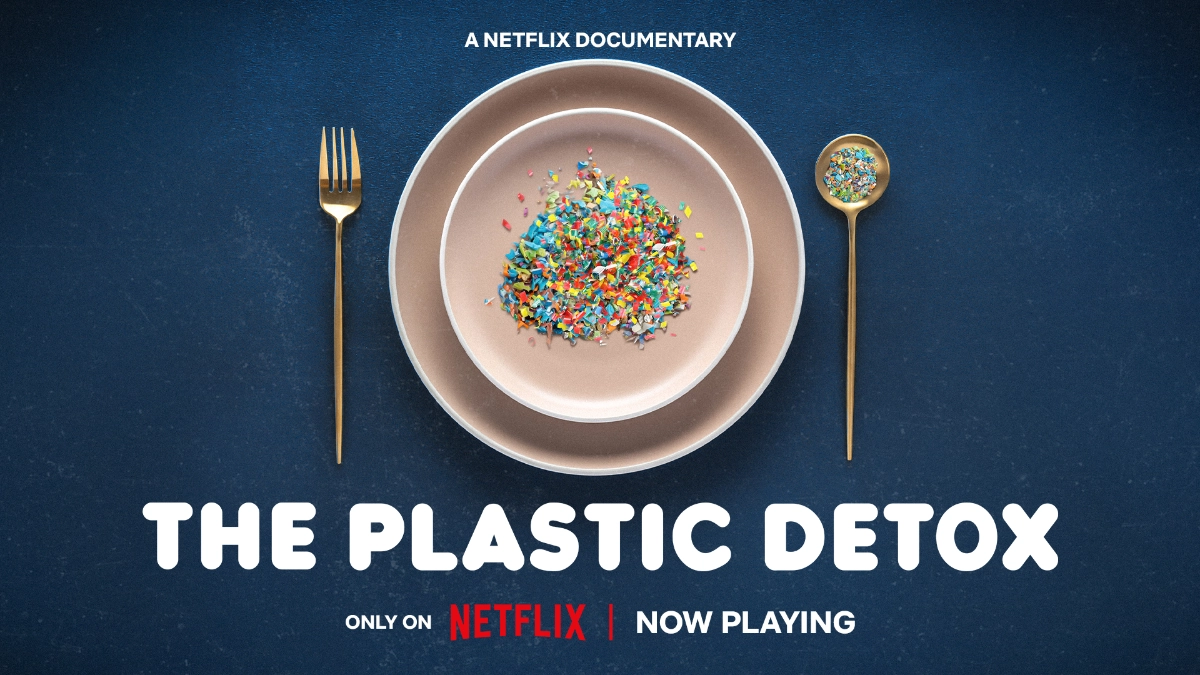
If you've recently watched The Plastic Detox, you're not the only one wondering how much plastic finds its way into our lives. From food packaging and plastic bottled water to clothing and household products, tiny plastic particles known as microplastics have become increasingly difficult to avoid.
Now, more people are searching for practical answers to questions, such as how to avoid plastic and microplastics, and how to reduce microplastics in our bodies.
The good news is that reducing plastic use doesn't have to be aggressive and overwhelming. Simple everyday swaps can help lower your exposure to microplastics while reducing plastic waste sustainably.
What are microplastics, and should people be concerned?
Microplastics are tiny plastic particles measuring less than five millimeters in size. These particles can either be intentionally manufactured for use in products or result from larger plastic items breaking down over time. As plastic pollution continues to accumulate, microplastics have spread far beyond oceans and waterways.

SEM image highlighting nanoplastic fragments and fibers detected in human sperm samples, from Ecoton.
Microplastics can now enter our bodies through multiple pathways. We may ingest them through food and water, inhale them in the air, or encounter them in products we use every day.
While scientists have detected microplastics in various parts of the human body, the science around their long-term health effects is still developing. Researchers have identified concerning associations between microplastic exposure and certain health outcomes, but many studies show correlation rather than direct causation.
In other words, scientists are still working to understand exactly how microplastics affect human health over time, and further scientific research is required around the specific impacts. However, when something we never evolved to live with is now inside our hearts, our lungs, and even our maternal placentas, humanity needs urgent action.
Protecting public health requires making decisions based on the best available information. Ideally, this means following the precautionary principle, which emphasizes caution and pausing to review scientific findings before adopting new technologies at a large scale in case they might prove dangerous. Plastics are still new in the timescale of human evolution, and we would do well to protect humanity from the potential impacts that these microplastics might be having on our health.
The safest path forward is clear: drastically reduce plastic production, shift to toxic-free reuse systems, and protect people and the planet from harmful chemicals.
How to Reduce Microplastics in Our Bodies Through Everyday Habits
Should You Stop Heating Food in Plastic Containers?

If you're wondering how to reduce microplastics in your body, one of the simplest places to start is the kitchen. Studies show that heating food in plastic containers can increase the release of both microplastic particles and chemicals from the plastic into food, particularly when containers are exposed to high temperatures in microwaves or ovens. Apart from plastic food containers, we’re also exposed to microplastics through the plastic cutting boards, utensils, plates, and bowls we use in the kitchen.
That doesn't mean you need to throw away every plastic container in your home. Instead of creating unnecessary waste (and succumbing to consumerism), consider replacing plastic food storage items with glass, ceramic, or other toxic-free alternatives when possible.
Can Switching from Plastic Bottled Water Help Reduce Microplastic Exposure?
The water you drink is often one of the first places people consider to avoid microplastics. However, studies have detected microplastics in both bottled water and tap water. Plastic-bottled water frequently contains higher levels of microplastic particles, partly because the water comes into contact with plastic packaging during production, storage, and transportation. While scientists are still studying how these particles affect human health over time, reducing unnecessary exposure is one practical way to reduce microplastics in our bodies.

For households with access to safe drinking water, using a home water filtration system and storing water in reusable containers may help reduce the use of single-use plastic bottles and eventually save on costs, too! Some communities also offer water refill stations that allow people to access drinking water without generating additional plastic waste.
At the same time, it’s important to recognize that access to safe and affordable drinking water is not equal everywhere. In many communities, bottled water may still be the safest or most accessible option available, and people should make the best choice available to them based on their circumstances. Long-term solutions require investments in safe public water infrastructure, accessible refill systems, and policies that reduce single-use plastics in the first place.
How can you reduce microplastics from clothing?
When people think about microplastics, they often picture plastic bottles or single-use food packaging. Textiles are the largest source of microplastics, responsible for roughly 35% of the microplastic volume in our oceans. Synthetic fabrics such as polyester, nylon, acrylic, and elastane shed tiny plastic fibers—known as microfibers—during everyday wear and washing. These microfibers can enter waterways through wastewater systems and eventually make their way into the environment.
The good news is that you don’t have to purge your wardrobe. In fact, replacing perfectly usable clothes can create unnecessary waste and even promote overconsumption.
When it's time to purchase new clothing, consider buying natural fibers such as cotton, linen, or wool over synthetic materials. Many natural fibers are also more breathable and comfortable, especially in warmer climates. Want to save up on clothes while choosing sustainably? Buy second-hand or “thrift shop” clothing made of natural fibers and could survive multiple wears.
Some might find this hard to believe, but how you care for your clothes can also make a big difference for the environment. Experts recommend washing garments only when necessary, using full loads, choosing cold water and shorter wash cycles, and air-drying clothes when possible. While these laundry habits won't completely eliminate exposure, they are among the simple swaps you can do at home to reduce microplastics while extending the life of your clothing and reducing plastic pollution at the source.
How to Reduce Plastic Use Beyond Individual Choices
Why Reducing Plastic Isn't Only a Personal Responsibility
A person can learn how to limit their exposure to plastics at a personal or household level, but behavior change as consumers can only do so much when single-use plastics are ubiquitous.
Break Free From Plastic's Regional Brand Audit Report demonstrates how a small number of multinational companies continue to be among the biggest contributors to plastic pollution in Asia, particularly through single-use sachets and other disposable packaging.
The harsh reality: plastic pollution is not simply the result of individual consumer choices, but also the result of the production and packaging systems that make plastics essentially impossible to avoid. For many people seeking to avoid microplastics, the challenge is not a lack of willingness to change habits, but a lack of accessible alternatives. Consumers deserve better options than having to choose between convenience and sustainability.
How Do Reuse and Refill Systems Help Reduce Microplastics?
While simple swaps you can do at home to reduce microplastics can help lower everyday exposure, sustainable long-term solutions require reducing plastic production in the first place.

Reuse and refill systems prevent waste before it’s created by replacing single-use packaging with containers that can be returned, cleaned, and used again. These include refill stations for household products, reusable beverage bottle systems, and refill stores that allow customers to bring their own containers.
It’s important to address plastic pollution at its source rather than relying solely on waste management. Unlike recycling, reuse systems reduce demand for new plastic, helping prevent future plastic waste and the microplastics that can form as plastic breaks down over time. Because when you recycle plastic, it’s still plastic with a second life.
Why systemic change matters?
Sustainable long-term solutions depend on changing the systems that produce plastic pollution in the first place. Experts increasingly point to reduce and reuse measures such as packaging redesign, investments in reuse and refill infrastructure, and stronger policies that hold companies accountable for the waste they generate.
The Extended Producer Responsibility (EPR) policy principle was established to make producers all over the world to be accountable for the entire lifecycle of the products they place on the market. In the Philippines, the EPR Act of 2022requires large companies to take responsibility for recovering and managing their plastic packaging, creating incentives to reduce unnecessary packaging and explore more sustainable alternatives.
On the contrary, some organizations argue that well-designed EPR schemes work best when they prioritize waste prevention and reuse (not just recycling) by encouraging businesses to redesign products and packaging from the start, which makes more sense as we adopt the “polluter pays principle.”
Supporting policies and business models that reduce plastic pollution at the source can be just as important as the simple swaps you can do at home to reduce microplastics. It’s about time to put more pressure where it should be.
What can you do to demand systemic change?
Learning how to avoid plastic in our daily lives is an important first step—but it shouldn't stop there.
Explore our wide array of films and documentaries on reducing plastic pollution at the source – whether you want to know how microplastics enter our bodies or are simply curious about plastic solutions driven by local communities.
Watching The Plastic Detox documentary might be like a real-life modern-day horror movie, but you don't have to be perfect to make a difference. Rather than striving for a perfect "plastic-free" lifestyle, focus on gradual changes that make sense for you and your household.
At the same time, beating plastic pollution requires more than individual action. We need businesses to redesign packaging, governments to invest in reuse and refill infrastructure, and stronger policies that reduce plastic pollution at its source.
Together, let’s make plastic-free choices more accessible for everyone.