Plastic has a negative impact throughout its entire life cycle, from the extraction of raw materials to its end of life. In grassroots communities, plastic pollution is often perceived only as visible waste in the environment, but it also represents a broader and silent threat to human health, linked to our daily exposure to plastics and the toxic substances they contain.
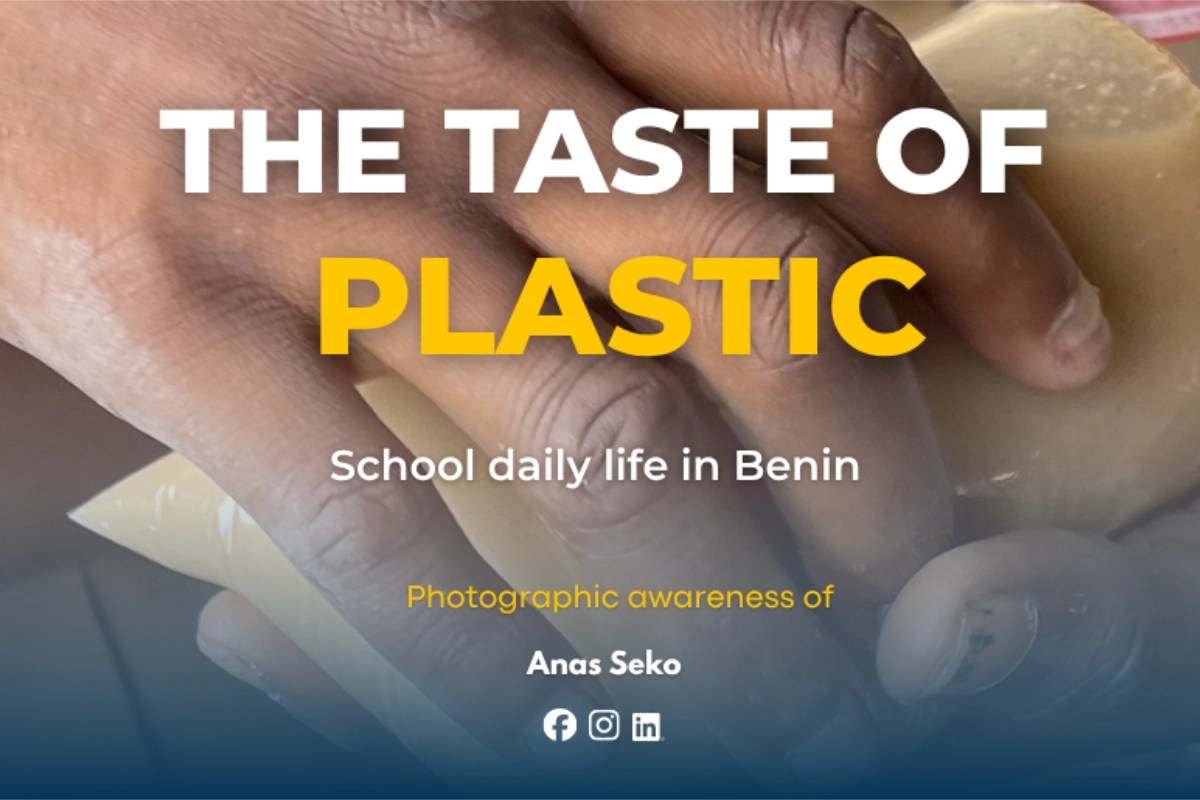
I am Anas SEKO, a specialist in communication on plastic pollution and a mobile photographic artist in Benin that envisions sparking the interest of communities and authorities through a photographic project called “The Taste of Plastic.” It is a visual documentation project which explores the role of plastic in primary school food practices. Students are daily exposed to this toxic material and use it through the containers in which their meals are served.
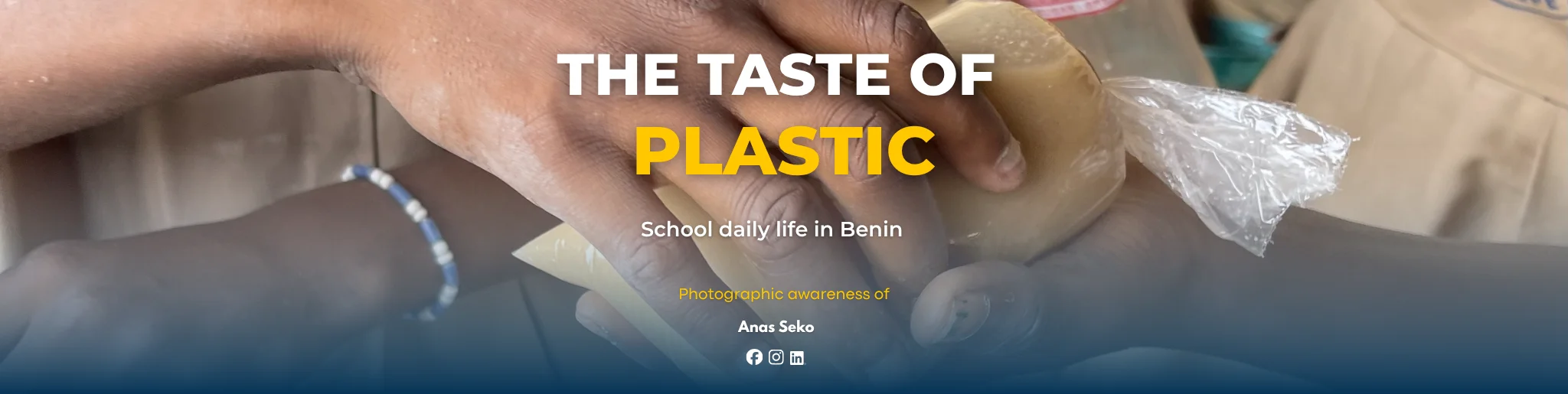
Observations with plastic food contact materials were conducted during recess in the canteen of Cocotomey Public Primary School, from 10:16 a.m. to 10:35 a.m. on Monday, March 16, 2026, using direct field observation and mobile photography. Within this brief 19-minute period, numerous children between the ages of 5 and 10 were potentially exposed to microplastics and harmful additives through the transfer of substances from plastic containers to food, the consumption of hot meals served in plastic packaging, and direct oral contact with plastic materials. Through these documented images, the project seeks to highlight a reality that often goes unnoticed, the day-to-day exposure to microplastics and toxic chemicals, and invites a closer examination of the use of plastic, while questioning possible alternatives. For a long time, I witnessed the use of plastic in my community, and being aware of the impact of microplastics and additives on human health, I was shocked to see that, from childhood, students are exposed to plastic both at school and in their daily life. This stands in contrast to traditional practices in many African communities, where food was commonly served in clay dishes and wrapped in natural materials such as leaves and calabashes before plastic became widespread.
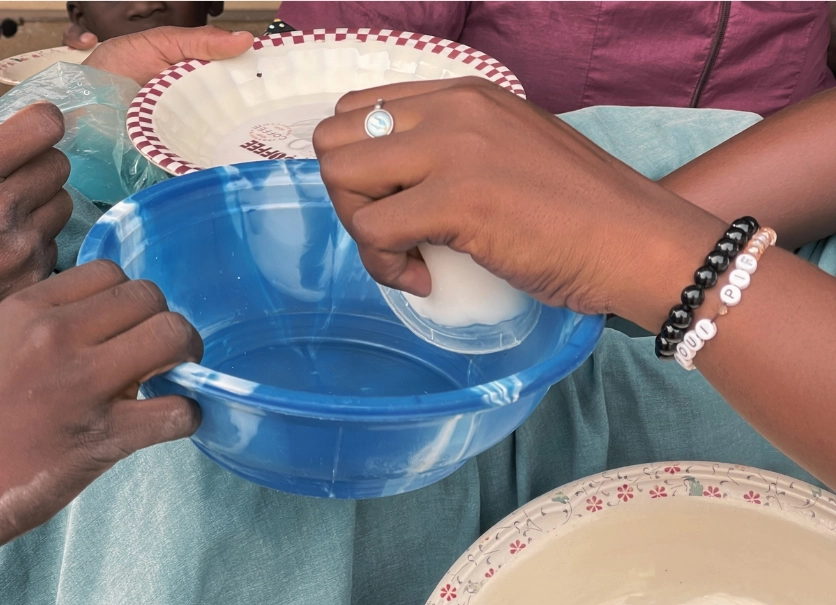
Hot Akassa, hot plastic | Akassa is a traditional food paste made from fermented maize, widely consumed in several West African countries, particularly in Benin.
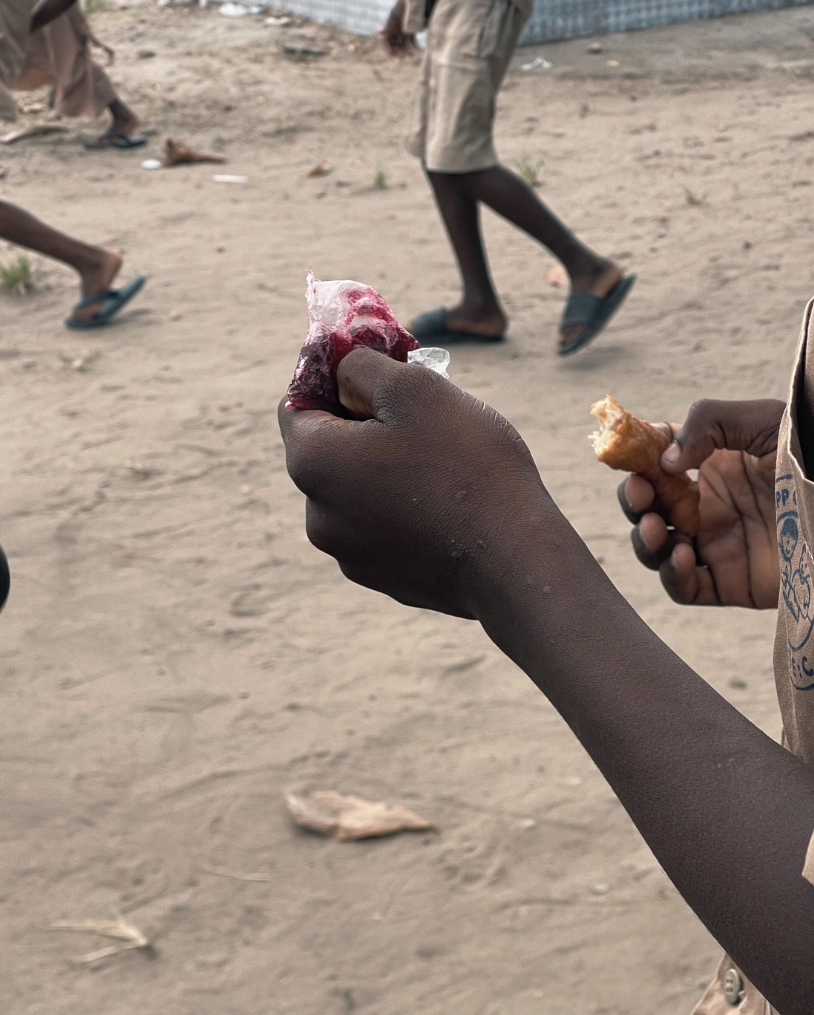
Bissap and microplastics | The red bissap juice held in the student's hand is a traditional West African beverage made by infusing the dried calyces of the hibiscus flower.
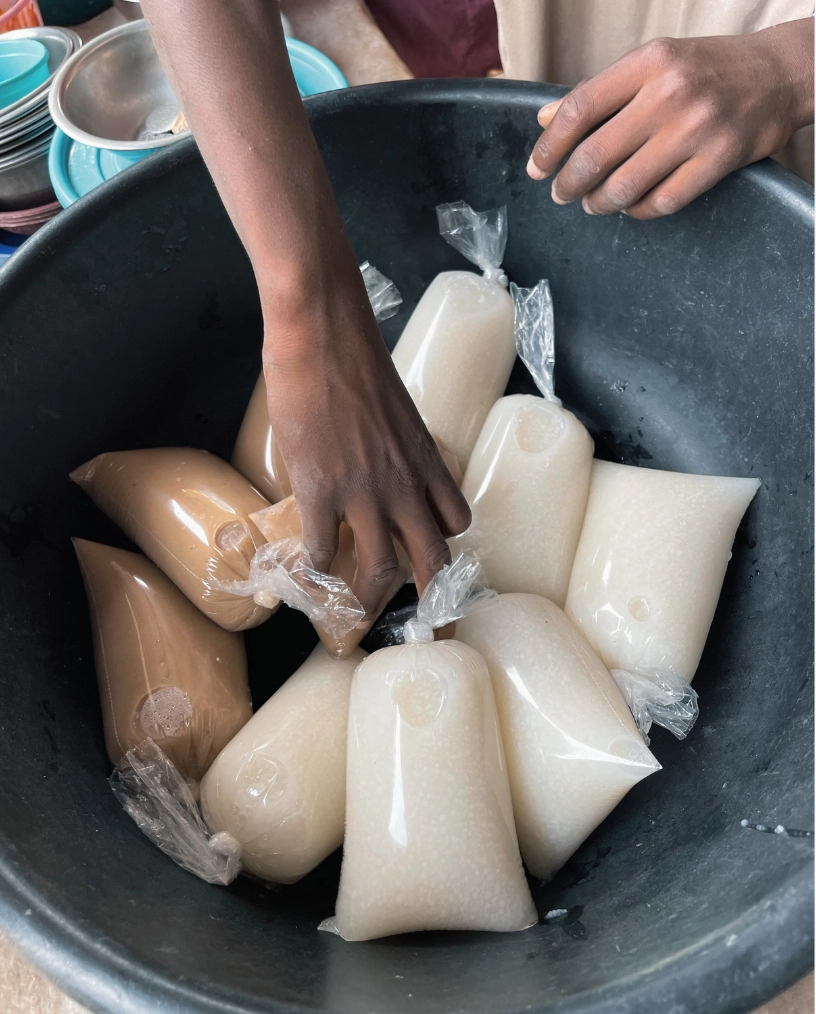
My hot porridge | A traditional West African porridge made from fermented and granulated maize flour.
From its very design, plastic incorporates a multitude of chemical additives, including flame retardants, plasticizers, and stabilisers, among others, some of which are recognized as endocrine disruptors. According to the Center for International Environmental Law (CIEL), this exposure to plastic is associated with effects on the renal, cardiovascular, gastrointestinal, neurological, reproductive and respiratory systems; impacts include cancer, diabetes, and developmental toxicity. Children are particularly vulnerable to the toxic effects of plastic, as exposure during early stages of life can cause impacts that are less reversible than in adults such as hormonal disruption and developmental effects. As concerns over plastic pollution and human exposure continue to grow, BFFP and its members need to push for a drastic reduction of plastic production, full transparency on chemicals in plastics and its elimination, while prioritizing reuse and refill systems over single-use plastic. We also call for plastic producers to be held accountable for the full lifecycle of their products, through the polluter pays principle.
Around the world, activists, volunteers, and grassroots organizations are leading the fight to end plastic pollution. For me, the next step is to advocate to the government for the elimination of plastic in student’s food practices through policy regulation and reforms. I also plan to mobilize funding to co-create plastic-free solutions such as reuse and refill, in the school where the photos were taken, starting from the next school year. Phasing out plastic is an urgent priority to protect human health and the environment, and we cannot remain silent in the face of this growing crisis, fueled by the petrochemical industries.
Please find the following link to download my proposal:
- French version : https://forms.gle/tb5xQ1244WUoCdAe9
- English version : https://forms.gle/E1Kc2uhkGyAnrszC9